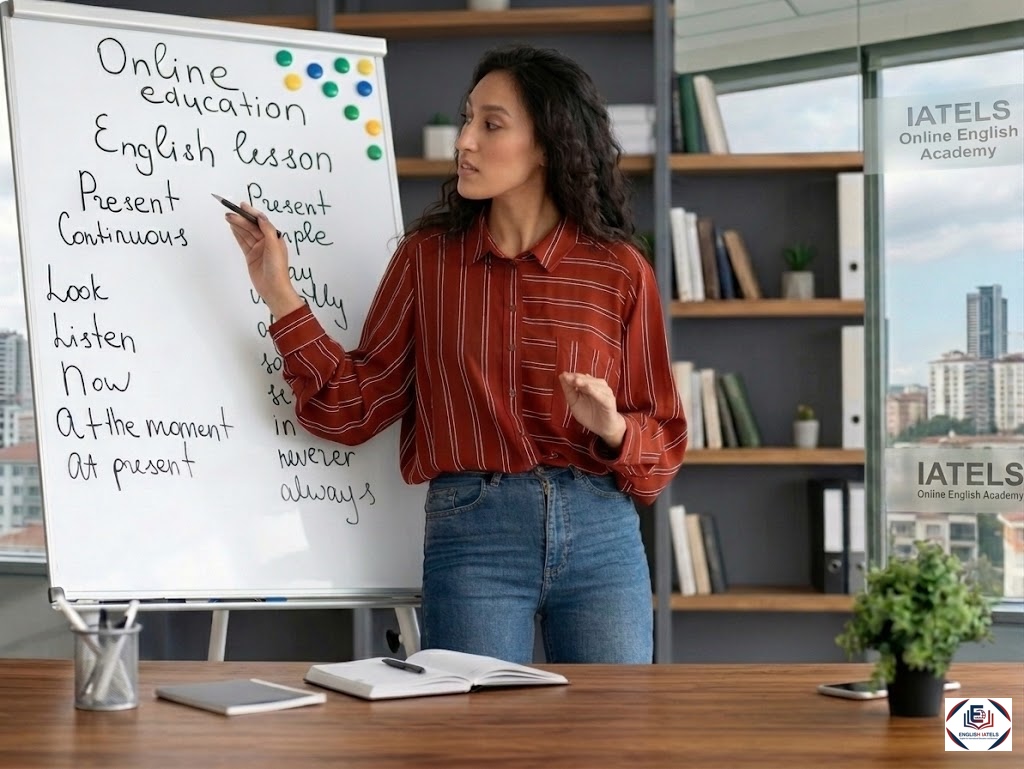
The image of a stern teacher, a dusty chalkboard, and students conjugating verbs in unison is a relic of a bygone era, yet elements of traditional English language teaching still persist. While foundational principles remain important, the truth is, the world has moved on. A confluence of powerful global forces – economic, contextual, psychological, technological, and socio-cultural – has rendered a purely traditional approach to English language instruction not just outdated, but often ineffective.
We simply cannot teach English today as we did 20, 10, or even 5 years ago. The landscape has fundamentally shifted.
The Forces Reshaping English Language Learning:
- Economic Realities:
- The Globalized Workforce: English is no longer a luxury for diplomats; it's a necessity for global commerce, tech, science, and even local industries interacting internationally. Learners demand practical, job-ready skills, not just theoretical knowledge.
- Time & Cost Efficiency: Busy professionals and students often can't afford years of slow-paced, traditional learning. They need accelerated, targeted programs that deliver tangible results.
- Contextual Demands:
- Specific Needs: A doctor needs medical English, an engineer needs technical communication, a business executive needs negotiation skills. Generic English often falls short of these highly specific communicative requirements.
- Authentic Scenarios: Learners thrive when they can apply English in contexts relevant to their lives and careers, not just in artificial textbook dialogues.
- Psychological Insights:
- Motivation & Engagement: Modern learners, accustomed to dynamic digital experiences, require engaging, interactive, and personalized content. Rote memorization quickly leads to disengagement.
- Anxiety & Confidence: Fear of making mistakes, a common byproduct of overly grammar-focused traditional teaching, can stifle communication. New methods prioritize confidence-building and fluency.
- Individual Learning Styles: We now understand that learners absorb information in diverse ways. A rigid "one-size-fits-all" approach fails to cater to auditory, visual, kinesthetic, and reading/writing preferences.
- Technological Advancements:
- Accessibility & Immersion: The internet offers unprecedented access to authentic English content (podcasts, videos, news, social media) and native speakers worldwide. Traditional classrooms cannot replicate this immersion alone.
- Personalization & Feedback: AI-powered tools, adaptive platforms, and sophisticated online resources can provide individualized practice and instant feedback, something a single teacher in a large classroom cannot always achieve.
- Blended Learning: The optimal blend of online flexibility and structured human interaction often yields superior results.
- Socio-Cultural Shifts:
- Global Citizens: Learners are part of a global community. They need to understand diverse accents, cultural nuances, and cross-cultural communication strategies, not just one idealized "standard" English.
- Collaborative Learning: Social media and online platforms have fostered a culture of collaboration. Learning environments should reflect this, encouraging peer interaction and group projects.
English IATELS: A Methodology for the Modern World
At English IATELS, we firmly believe that an effective English language methodology must be a living, evolving entity, consciously adapting to these complex factors. Our approach is not about abandoning the good foundations of the past, but about building upon them with forward-thinking strategies:
- Holistic Needs Assessment: We begin by deeply understanding each learner's economic goals, professional context, psychological profile, and socio-cultural background. This informs a truly personalized learning pathway.
- Blended & Flipped Learning: We strategically combine synchronous (live online classes) and asynchronous (self-paced digital resources) learning. This caters to diverse schedules and ensures maximum engagement and practice.
- Communicative & Task-Based Syllabus Design: Our curricula focus on practical application. Students engage in tasks directly relevant to their work, studies, or personal development, building confidence through authentic communication.
- Technologically Integrated Classrooms: We harness cutting-edge digital tools for interactive exercises, multimedia content, instant feedback, and AI-powered pronunciation/grammar practice, making learning dynamic and adaptive.
- Culturally Responsive Pedagogy: Our materials and teaching strategies emphasize understanding global Englishes and fostering effective communication across cultures, preparing learners for real-world international interactions.
- Focus on Measurable Outcomes: We prioritize clear learning objectives and use continuous assessment to track tangible progress, ensuring that our methods directly translate into improved functional English skills.
The era of one-size-fits-all, static English teaching is over. At English IATELS, we are committed to pioneering a methodology that not only acknowledges the complexities of the 21st century but actively embraces them, empowering our learners to thrive as confident, capable global communicators.
