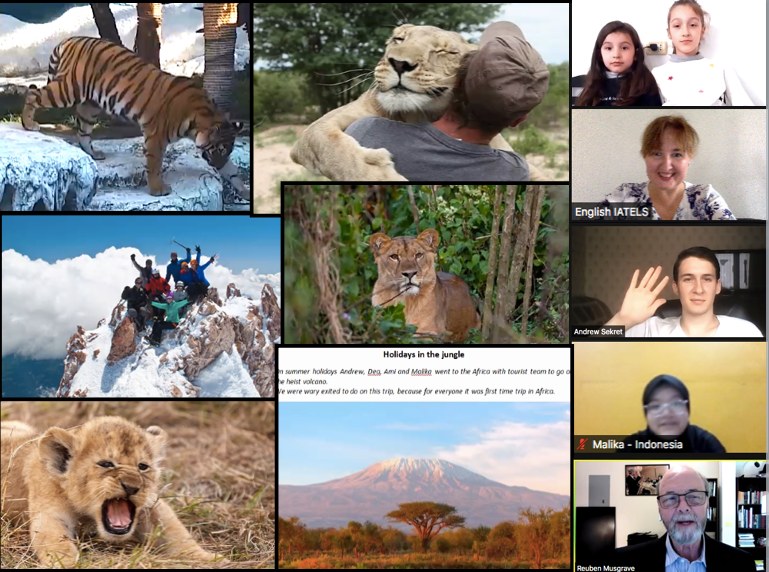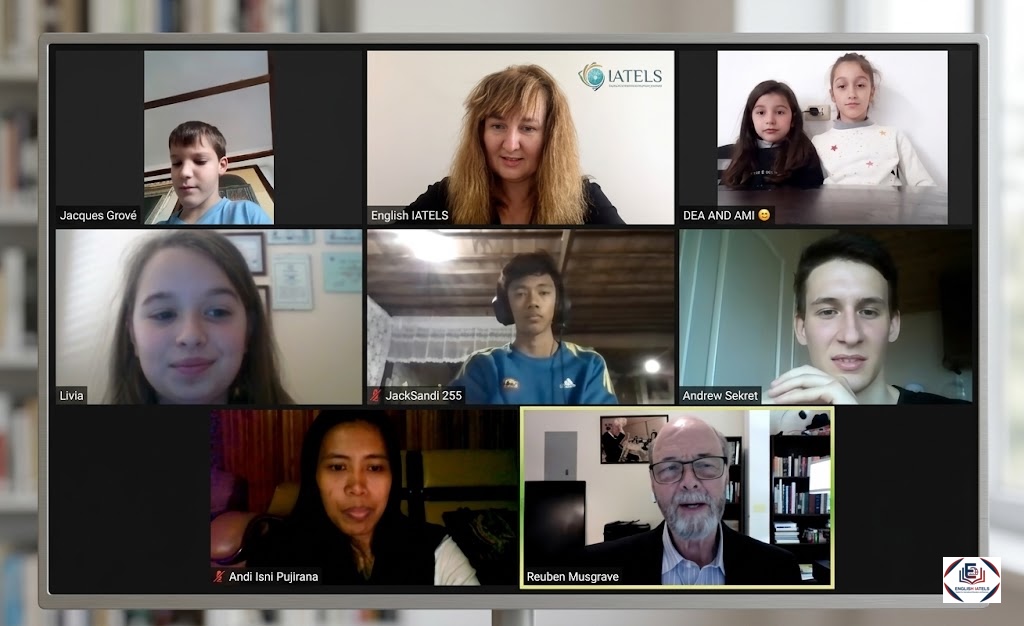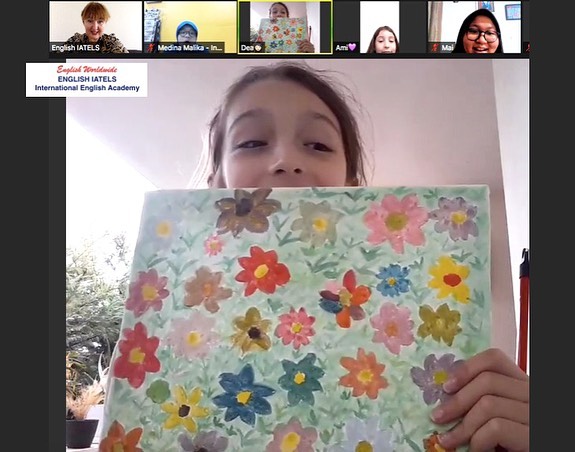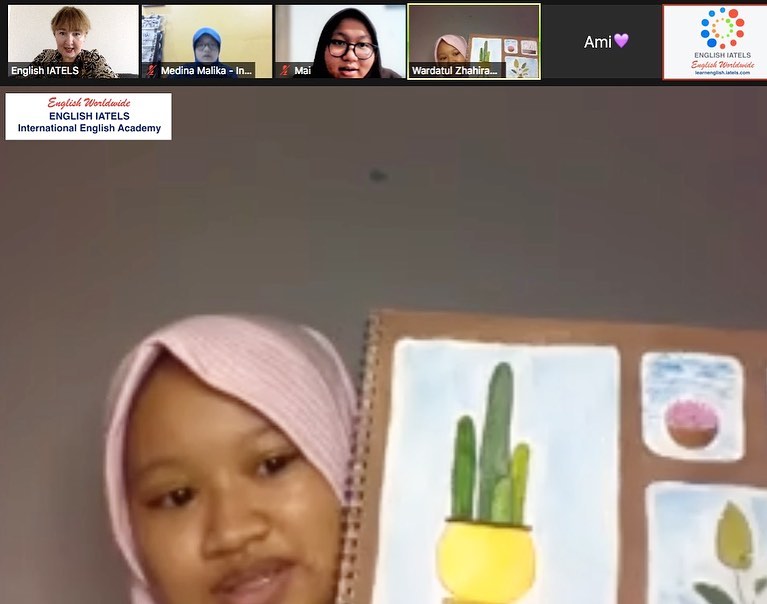
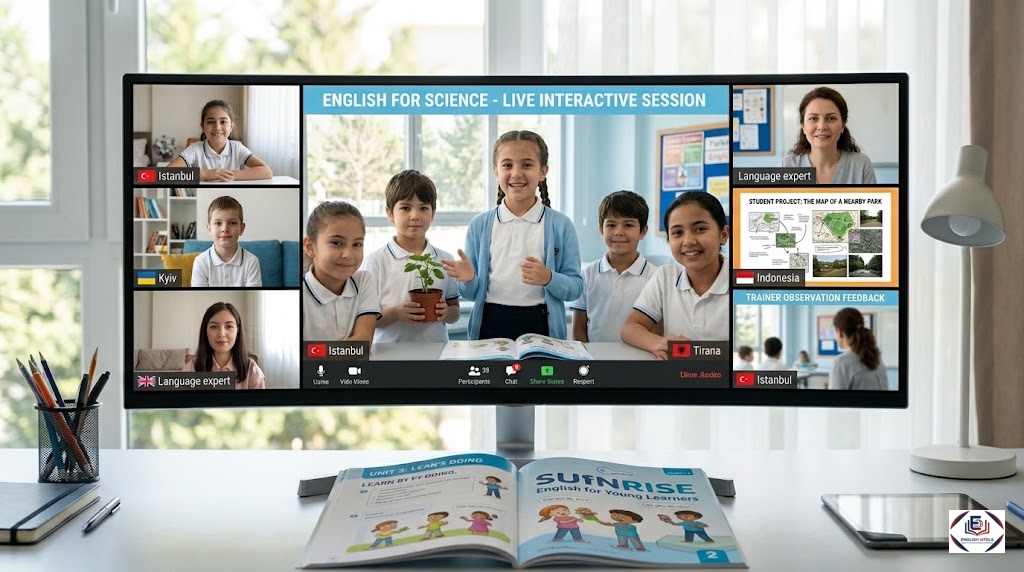
This case study explores the English for Science initiative—a global online program that successfully merged CLIL (Content and Integrated Language Learning) with digital collaboration to create a high-impact educational ecosystem for students across Indonesia, Ukraine, Albania, and beyond.
In the modern educational landscape, the isolation of subjects—teaching English in one room and Biology in another—is rapidly becoming obsolete. The English for Science program, conducted by STARTINFORUM, proved that when language is used as a vehicle for scientific discovery, both proficiency and engagement skyrocket.
The Program Framework: A Global Digital Laboratory
The initiative targeted middle and high school students, creating a cross-border community led by international trainers and language experts. The structure was multidimensional:
-
Synchronous Learning: Live interactive sessions via video conferencing.
-
Asynchronous Rigor: A dedicated Learning Management System (LMS) for tasks, reading, and theory.
-
Project-Based Learning (PBL): The heart of the program was the Individual Observation Project, where students applied scientific methods to their local environments.
The Multi-Disciplinary Benefits
The primary benefit was the transition from General English to ESP (English for Specific Purposes). Students didn’t just learn “words”; they learned how to “argue, describe, and hypothesize” within the domains of Physics, Ecology, and Astronomy.
Beyond English, students developed critical 21st-century skills:
-
Scientific Literacy: Understanding the empirical process through activities like botanical observation and environmental mapping.
-
Digital Citizenship: Mastery of video production, digital presentation tools, and international netiquette.
-
Cross-Cultural Collaboration: Working alongside peers from diverse time zones and cultures, fostering global empathy and communication agility.
-
Analytical Thinking: Using interviews and data collection to form conclusions, moving up the scale of Bloom’s Taxonomy.
Alignment with Modern Educational Trends
The “English for Science” case corresponds perfectly with the two most significant shifts in global education:
-
CLIL (Content and Language Integrated Learning): Teaching a subject through a foreign language, which has been proven to increase cognitive flexibility and retention.
-
STEAM Integration: Moving toward a holistic approach where Science, Tech, and Arts are unified by a common communicative thread.
-
The “Observer” Effect for Teachers: The program acted as a Live Professional Development hub. Local teachers observing the sessions acquired “Online Pedagogy” techniques, seeing firsthand how to manage interactive digital classrooms.
Implementation in School Contexts
Schools can adopt this model to modernize their own departments. Implementation strategies include:
-
The “Dual-Teacher” Model: Co-taught sessions where an English teacher and a Science teacher collaborate on a single module.
-
The Global Bridge: Partnering with international organizations (like IATELS) to bring “Guest Trainers” into the local classroom via digital platforms.
-
LMS-Integrated Homework: Replacing standard grammar homework with “Scientific Observation Logs” submitted via the school’s digital portal.
Suggested Variations for Schools
Based on this success, STARTINFORUM suggests the following variations:
-
Local Ecosystem Mapping: A project focused specifically on the flora and fauna of the school’s home city (e.g., Bolu or Bursa) presented to a global “Sister School.”
-
The “Science Fair” Webinar: Instead of a physical fair, schools can host an international Zoom symposium where students present their video findings.
-
Teacher-Training Lab: Using the program specifically to upskill English teachers in “Technical and Scientific Vocabulary” to prepare students for university-level English.
Conclusion: Outcomes and Future Vision
The “English for Science” program did more than teach language; it built confidence. By the end of the program, students weren’t just “speaking English”—they were “thinking like scientists” in English. For schools, this represents the ultimate outcome: students who are ready for the academic and professional challenges of the 21st century.